
Kitchen Advice 01 - How to Remove an Old Kitchen Safely
Removing an old kitchen is a task that requires careful planning, patience and attention to detail. Kitchens are more than just a collection of cabinets and appliances - they are integrated systems of plumbing, electrical connections, work surfaces and structural attachments. Attempting to remove units without proper preparation can lead to damage to walls, floors, or ceilings, water leaks, electrical hazards and personal injury. A successful removal involves assessing the entire space, isolating utilities, protecting the property, and using the correct techniques and tools for each component. Taking the time to plan the process thoroughly will not only make the task safer but also make the transition to a new kitchen much smoother and less stressful.
At Sunlight Windows & Conservatories, based at Fryers Garden Centre in Knutsford, we regularly advise homeowners across Cheshire and the wider Greater Manchester area on safely removing old kitchen units. Our guidance ensures that every step is carried out methodically, from disconnecting utilities and detaching worktops to safely handling heavy or awkward cabinetry. Professional insight also helps homeowners avoid common mistakes, such as damaging walls when removing wall units or inadvertently weakening a floor when lifting heavy base cabinets.
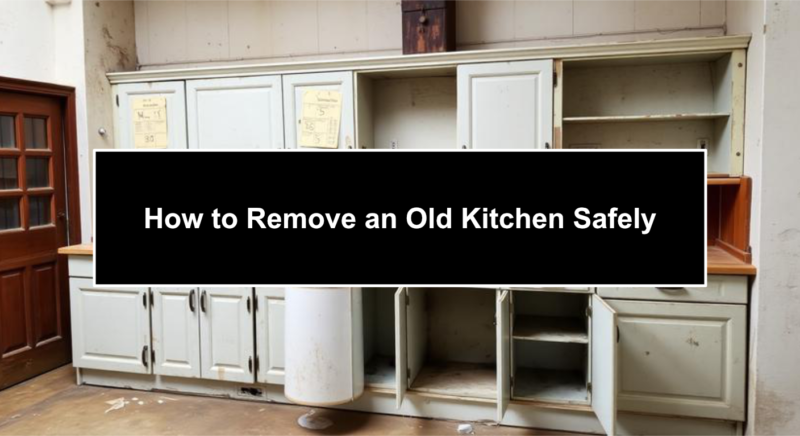
Preparing the space before removal
Before any demolition begins, the space must be prepared to protect both the home and those performing the work. Floors, walls and nearby surfaces are vulnerable to scratches, dents, or stains, while working in a cramped or cluttered space increases the risk of accidents. Preparation also includes ensuring all utilities are safely isolated so that plumbing leaks or electrical shocks are avoided during removal.
View this! View one of our bespoke Orangery extensions
• Turn off the main water supply and isolate electrical circuits connected to kitchen appliances
• Remove crockery, utensils and any personal items from cabinets and countertops
• Cover floors and surrounding surfaces with protective sheets or boards to prevent damage
• Ensure the area is well lit and ventilated, creating a safe and practical working environment
By properly preparing the space, homeowners can minimise disruption and maintain a clean, safe workspace throughout the removal process.
Safe removal of cabinets and worktops
Cabinets and worktops are often heavy, awkwardly shaped, and attached to walls with screws, nails or adhesive. Removing them incorrectly can result in cracking walls, lifting tiles, or even injury. Starting with wall-mounted units and working downwards, removing doors, drawers and shelves first, makes the task more manageable. Using the correct tools and lifting techniques is essential, particularly when handling large worktops or tall base cabinets. Enlisting help for heavier items is strongly recommended to reduce the risk of strain or accidents.
• Use correct lifting techniques and enlist assistance for heavy or oversized items
• Remove doors, drawers, and shelving before detaching cabinet carcasses
• Carefully detach worktops to avoid damage to tiles, walls or adjacent units
• Keep screws, brackets and fittings organised for reuse or recycling
These steps help ensure the cabinets are removed efficiently without causing unnecessary damage to the home or the units themselves.
Handling plumbing and electrical connections
Kitchens contain complex plumbing and electrical systems that must be safely managed before removal. Sinks, taps, dishwashers, ovens and hobs are all connected to water, gas, and electricity, making careful disconnection crucial. Improper handling can lead to leaks, short circuits, or even structural damage if water escapes into subfloors. Where gas or mains appliances are present, professional involvement is strongly recommended to ensure compliance with safety regulations and prevent dangerous situations.
• Disconnect sinks, taps, and dishwashers after isolating the water supply
• Cap or temporarily seal pipework to prevent leaks and water damage
• Ensure all appliances are unplugged and corresponding circuits are isolated
• Consider professional assistance for gas or mains-connected appliances
Managing these connections correctly protects both homeowners and their property during the removal process.
Disposal of removed kitchen units
Once the kitchen is removed, responsible disposal is an important consideration. Kitchens often contain a mix of timber, metal, plastic, and electrical components, many of which can be recycled or repurposed. Improper disposal can be environmentally damaging and may also breach local waste regulations. Planning disposal in advance ensures that materials are handled safely and sustainably.
• Separate timber, metal, plastic, and appliance components for recycling
• Use licensed waste carriers or recycling centres for bulky or hazardous item
• Consider donating gently used cabinets or appliances to local charities or reuse schemes
• Avoid illegal dumping or burning, which can be dangerous and unlawful
Proper disposal not only benefits the environment but also reduces stress on homeowners by providing a clear and legal solution for removed materials.
Professional advice from Sunlight Windows & Conservatories
Sunlight Windows & Conservatories, located at Fryers Garden Centre in Knutsford and serving homeowners throughout Cheshire and the wider Greater Manchester area, provide expert guidance on safely removing old kitchen units. Our experienced team offers step-by-step advice on preparation, utility isolation, careful removal and environmentally responsible disposal. With professional support, homeowners can undertake kitchen removal safely, efficiently, and with confidence that the space is ready for a smooth, successful refit or complete replacement. Proper planning and execution ensure minimal disruption, no damage to the home, and a stress-free transition to the new kitchen.
View this! Kitchen Advice 02 - Best Way to Dispose of Kitchen Units
Disclaimer: Sunlight holds no responsibility for any work that you or anyone else carries out based upon the information contained within these help pages (i.e. prices and information contained may change at any time) - we are simply offering various suggestions to help ease your pain and lower your stress levels. For peace of mind, we always recommend using insured and trained personnel to carry out any work, to obtain an up-to-date quotation from at least three suppliers and to get as much information as possible from the company whom you choose to conduct business with.
Call in the Professionals!
01565 650 195
Why attempt to take on complicated work yourself? It could end up costing you more. Instead, make contact with our pro-maintenance team for a consultation to discuss your needs today. Understandably, for the work to be cost-effective, you must live within a 20 mile radius of Knutsford.
Visit our showroom:
Sunlight Windows & Conservatories
Fryers Garden Centre
Manchester Road
Knutsford
Cheshire
WA16 0SX
Leave a reply