
Flooring Advice 06 - Preventing Condensation on Floors
Condensation forming on floors is a common yet often misunderstood issue in homes across Knutsford, Cheshire and Manchester, particularly in properties with solid floors, glazed extensions, conservatories, or rooms that experience fluctuating temperatures and limited ventilation. When warm, moisture-laden air comes into contact with a cooler floor surface, water vapour condenses into liquid droplets, leaving floors damp, slippery, and potentially vulnerable to long-term damage.
At Sunlight Windows & Conservatories, based at Fryers Garden Centre in Knutsford and regularly assisting homeowners across Cheshire and Manchester, we frequently advise clients on managing condensation in glazed extensions and modern living spaces. Large areas of glazing, tiled floors, and open-plan layouts can create temperature variations that encourage moisture to settle on cooler surfaces, particularly during colder months. While our primary focus is the design and installation of premium orangeries and conservatories, we understand that managing internal climate conditions is essential to preserving flooring materials and ensuring long-term performance. Preventing condensation on floors requires a practical, balanced approach that combines ventilation, insulation, heating efficiency, and moisture control strategies to create a stable indoor environment year-round.
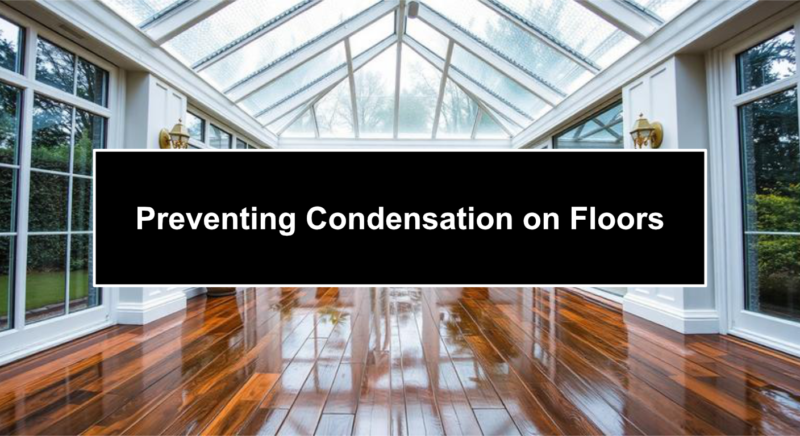
While occasional surface moisture may seem minor, persistent condensation can contribute to mould growth, deterioration of floor coverings, adhesive failure, warped laminate, lifted vinyl edges, and even gradual degradation of subfloor materials. Understanding how and why condensation forms is the first step in preventing it effectively, as successful prevention relies on balancing indoor humidity levels, maintaining consistent surface temperatures, and ensuring adequate airflow throughout the home. By addressing the underlying environmental conditions rather than simply wiping away surface moisture, homeowners can protect both the structural integrity and visual appeal of their flooring while creating a healthier and more comfortable indoor environment.
View this! View one of our bespoke Orangery extensions
Understanding The Causes Of Floor Condensation
Before implementing preventative measures, it is important to identify the specific factors contributing to condensation, as moisture problems can arise from a combination of environmental conditions, building design, and daily household activities. Floors, particularly those constructed from concrete or tiled surfaces, can remain cooler than surrounding air, especially overnight or in rooms that are not consistently heated. When humidity levels rise due to cooking, showering, drying clothes indoors, or inadequate ventilation, excess moisture seeks out cooler surfaces where it condenses. In some cases, poor insulation beneath solid floors or insufficient damp-proof membranes can exacerbate temperature differences, increasing the likelihood of condensation forming. Homes with limited airflow, sealed modern windows, or blocked air bricks may trap humid air inside, further compounding the issue. Recognising whether condensation is surface-related, linked to lifestyle factors, or associated with insulation deficiencies allows homeowners to target the correct solution rather than mistaking the problem for rising damp or structural leaks.
Improving Ventilation And Airflow
Effective ventilation is one of the most important defences against condensation, as reducing airborne moisture prevents water vapour from settling on cooler floor surfaces. Introducing controlled airflow helps balance humidity levels and promotes consistent air circulation throughout the home.
• Open trickle vents or windows periodically to allow fresh air exchange, particularly after cooking or showering.
• Install or upgrade extractor fans in kitchens and bathrooms to remove moisture at source.
• Ensure air bricks and subfloor vents remain unobstructed to maintain underfloor airflow.
• Consider positive input ventilation systems in properties prone to persistent humidity.
• Avoid drying clothes indoors without adequate ventilation or dehumidification.
By encouraging continuous air movement and preventing moisture build-up, homeowners significantly reduce the likelihood of condensation forming on floors, particularly in high-risk rooms.
Regulating Indoor Temperature And Insulation
Maintaining consistent indoor temperatures is essential in preventing condensation, as sudden temperature drops can cool floor surfaces below the dew point, encouraging moisture to settle. Floors that are poorly insulated, particularly solid concrete slabs without adequate thermal barriers, are more susceptible to remaining cold even when the air temperature rises.
• Keep heating at a steady, moderate level rather than allowing dramatic fluctuations between day and night.
• Install underfloor heating where appropriate to maintain even surface warmth.
• Improve floor insulation during renovations to reduce cold bridging.
• Use thermal underlays beneath laminate or engineered wood flooring.
• Ensure conservatories and extensions are properly insulated to prevent temperature imbalance.
Creating a stable thermal environment reduces the contrast between air and floor temperatures, limiting the conditions that allow condensation to form.
Managing Indoor Humidity Levels
Controlling overall humidity is critical, as high moisture content in the air is the primary driver of condensation. Even well-insulated floors can develop surface moisture if indoor humidity remains excessive for prolonged periods.
• Use a hygrometer to monitor humidity levels, ideally maintaining readings between 40% and 60%.
• Employ a dehumidifier in rooms prone to dampness or limited ventilation.
• Cover pans while cooking and avoid boiling water unnecessarily.
• Wipe down shower enclosures and wet surfaces promptly after use.
• Houseplants should be spaced appropriately to avoid contributing excessive moisture to enclosed spaces.
By maintaining balanced humidity levels, homeowners create an environment where condensation is far less likely to develop on cooler floor surfaces.
Protecting Flooring Materials From Moisture Damage
In addition to addressing environmental conditions, selecting and maintaining suitable flooring materials can minimise the impact of occasional moisture exposure. Some surfaces are naturally more resistant to condensation-related damage than others.
• Choose water-resistant flooring such as porcelain tiles or high-quality luxury vinyl in moisture-prone areas.
• Ensure laminate joints are properly sealed and protected from prolonged exposure to water.
• Install appropriate damp-proof membranes beneath concrete floors during renovations.
• Regularly inspect skirting boards and floor edges for signs of moisture ingress.
• Act promptly to dry any visible condensation before it penetrates seams or joints.
Taking these precautions helps safeguard flooring investments while supporting the overall health of the property structure.
View this! Flooring Advice 07 - Furniture Placement Tips in an Orangery
Professional Advice From Sunlight Windows & Conservatories
Sunlight Windows & Conservatories, located at Fryers Garden Centre in Knutsford and serving homeowners throughout Cheshire and Manchester, understand that condensation management is an integral part of maintaining comfortable and durable living spaces. While our expertise lies in high-quality glazed extensions and structural improvements, we regularly advise clients on environmental control strategies that protect flooring, insulation, and interior finishes. Preventing condensation on floors requires a comprehensive approach that combines ventilation, insulation, temperature regulation, and moisture management rather than relying on short-term fixes. By identifying the root causes and implementing balanced preventative measures, homeowners can protect their floors from damage, improve indoor air quality, and create a warm, stable environment that enhances both comfort and long-term property value.
Disclaimer: Sunlight holds no responsibility for any work that you or anyone else carries out based upon the information contained within these help pages (i.e. prices and information contained may change at any time) - we are simply offering various suggestions to help ease your pain and lower your stress levels. For peace of mind, we always recommend using insured and trained personnel to carry out any work, to obtain an up-to-date quotation from at least three suppliers and to get as much information as possible from the company whom you choose to conduct business with.
Call in the Professionals!
01565 650 195
Why attempt to take on complicated work yourself? It could end up costing you more. Instead, make contact with our pro-maintenance team for a consultation to discuss your needs today. Understandably, for the work to be cost-effective, you must live within a 20 mile radius of Knutsford.
Visit our showroom:
Sunlight Windows & Conservatories
Fryers Garden Centre
Manchester Road
Knutsford
Cheshire
WA16 0SX
Leave a reply