
Flat Roofs 09 - Why Flat Roofs Leak: A Comprehensive Guide
Flat roofs are a common feature on many UK properties, from residential homes to commercial buildings. While they offer numerous benefits, such as maximising available space and cost-effectiveness, they can be prone to leaks if not properly designed, installed, or maintained. Understanding the reasons why flat roofs leak and how to prevent these issues can save homeowners and property managers time, money, and frustration.
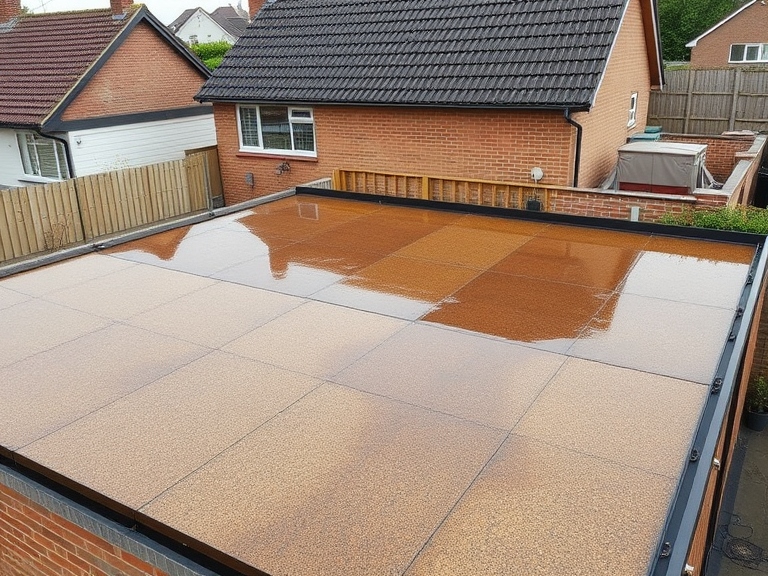
This article explores the key causes of flat roof leaks, their impact, and effective solutions to prevent and address these problems.
1. Poor Drainage
Flat roofs are designed to shed water, but they cannot drain as efficiently as pitched roofs due to their minimal slope. If the roof is not adequately sloped, water can pool, creating stagnant areas that may eventually lead to leaks.
Key Causes:
- Inadequate Slope: A flat roof should have at least a 1:80 pitch to allow for proper drainage. Without this slope, water may accumulate in low areas and penetrate the roofing material.
- Blocked Drains and Gutters: Debris, such as leaves and moss, can clog gutters and drains, causing water to back up and pool on the roof.
- Insufficient Drainage Points: A lack of properly positioned drains or scuppers can lead to water accumulating on the roof surface, increasing the risk of leaks.
Solution: Ensure that your flat roof has an adequate slope and that gutters and drains are regularly cleared and maintained. Installing additional drainage points may also be necessary to prevent water build-up.
2. Poorly Installed or Worn-Out Roofing Materials
The material used for the flat roof plays a critical role in its waterproofing capabilities. Over time, even high-quality materials can deteriorate, especially if the roof was not properly installed.
Key Causes:
- Incorrect Installation: A flat roof’s waterproofing layer, whether it’s EPDM rubber, felt, or bitumen, needs to be correctly installed, with seams, edges, and corners carefully sealed. Poor workmanship or incorrect techniques can result in weak spots or gaps that allow water to penetrate.
- Wear and Tear: Over time, UV rays, rain, snow, and extreme temperatures can cause the roofing material to degrade, leading to cracks, tears, or weakened areas where leaks can develop.
- Lack of Protective Coating: Some roofing materials need an additional protective coating to prevent damage from UV rays and weathering. Without this layer, the roofing material may deteriorate faster.
Solution: Invest in high-quality roofing materials that are suitable for your local climate and ensure they are installed by experienced professionals. Regularly inspect the roof for signs of wear, and reapply protective coatings or make repairs when necessary.
3. Poor Seals Around Roof Penetrations
Flat roofs typically feature roof penetrations for vents, chimneys, skylights, and other features. These areas are particularly vulnerable to leaks, as the seals around them can degrade over time.
Key Causes:
- Degrading Flashing: Flashing is the material used to seal joints, seams, and penetrations. Over time, flashing can corrode, crack, or become dislodged, allowing water to seep into the roof structure.
- Poor Sealing Around Fixtures: Skylights, vents, and other penetrations require properly sealed joints. If the seals are not maintained, water can infiltrate around the edges of these fixtures.
- Movement of Roof Components: As the flat roof expands and contracts due to temperature fluctuations, any poorly sealed joints around penetrations can shift, creating gaps for water to enter.
Solution: Ensure that roof penetrations are sealed correctly using high-quality sealants and flashing. Regularly inspect these areas for signs of wear, and re-seal any cracks or gaps promptly.
4. Condensation and Moisture Build-Up
While flat roofs are primarily designed to protect against external water, condensation can also cause moisture-related problems on the interior of the roof structure. This can lead to hidden leaks that may not be immediately obvious but can still cause significant damage.
Key Causes:
- Lack of Ventilation: Insufficient airflow under the roof membrane can cause warm, moist air from inside the building to condense on the underside of the roof, leading to trapped moisture that can eventually cause the roof material to weaken and leak.
- Inadequate Insulation: Without proper insulation, the roof structure may become colder than the interior space, causing condensation. This moisture can lead to rot, mould, or even structural damage.
Solution: Ensure adequate ventilation in the roof structure, such as installing vents or using breathable materials to allow moisture to escape. Insulating the roof properly will also help reduce the risk of condensation.
5. Weather Damage
The unpredictable and often extreme weather conditions in the UK can also play a significant role in the formation of roof leaks.
Key Causes:
- Heavy Rain and Storms: Intense rainfall, particularly during winter months, can overwhelm a flat roof’s drainage system, leading to water pooling and increasing the risk of leaks.
- Snow and Ice: Accumulation of snow and ice on a flat roof can cause water to become trapped underneath. When the weather warms, the ice can melt and seep into cracks, leading to leaks.
- UV Damage: Over time, ultraviolet rays from the sun can cause the roofing material to dry out and become brittle, leading to cracks and leaks.
Solution: Ensure that your flat roof is equipped with adequate drainage systems and is regularly maintained to prevent weather-related damage. For areas prone to extreme weather, consider reinforcing the roof with stronger materials or coatings to improve its resilience.
6. Window Leaks: Common Causes
Although window leaks are not directly related to flat roofs, they are another common issue that property owners face. The causes of window leaks can be similar to those of roof leaks, as both are typically related to poor seals, improper installation, or weather-related damage.
Key Causes:
- Faulty Seals: The seals around windows, including those between the frame and the wall, can degrade over time, allowing water to seep in.
- Improper Installation: If windows are not properly installed, gaps between the window frame and wall can allow rainwater to enter.
- Condensation: Similar to flat roofs, windows can also experience internal condensation, leading to moisture build-up that may cause leaks if not addressed.
Solution: Regularly check window seals for damage and ensure that windows are properly installed by a certified professional. In addition, ensure good ventilation to prevent condensation from building up around window frames.
Conclusion
Flat roofs can develop leaks due to a variety of factors, from poor drainage and damaged materials to faulty seals around penetrations. Regular maintenance, proper installation, and timely repairs are essential for preventing leaks and extending the lifespan of your roof. When leaks do occur, it is important to identify the root cause quickly and address the issue before it leads to more significant damage. Regular inspections, coupled with proper sealing and drainage, can significantly reduce the likelihood of flat roof and window leaks, keeping your property dry and safe.
Disclaimer: Sunlight holds no responsibility for any work that you or anyone else carries out based upon the information contained within these help pages (i.e. prices and information contained may change at any time) - we are simply offering various suggestions to help ease your pain and lower your stress levels. For peace of mind, we always recommend using insured and trained personnel to carry out any work, to obtain an up-to-date quotation from at least three suppliers and to get as much information as possible from the company whom you choose to conduct business with.
Call in the Professionals!
01565 650 195
Why attempt to take on complicated work yourself? It could end up costing you more. Instead, make contact with our pro-maintenance team for a consultation to discuss your needs today. Understandably, for the work to be cost-effective, you must live within a 20 mile radius of Knutsford.
Visit our showroom:
Sunlight Windows & Conservatories
Fryers Garden Centre
Manchester Road
Knutsford
Cheshire
WA16 0SX
Leave a reply