
Electrical Advice 02 - Differences Between Fuses and Circuit Breakers
Understanding the differences between fuses and circuit breakers is essential for homeowners in Knutsford, Cheshire and Manchester who want to maintain a safe and reliable electrical system within their property. Whether upgrading a conservatory, installing new lighting, or enhancing an extension with features designed by Sunlight Windows & Conservatories, electrical protection plays a critical role in safeguarding both the building and its occupants. Fuses and circuit breakers are designed to interrupt electrical flow when a fault occurs, preventing overheating, damage to appliances, and potential fire hazards. Although they serve the same protective purpose, the way they operate, their practicality, and their long-term suitability differ considerably.
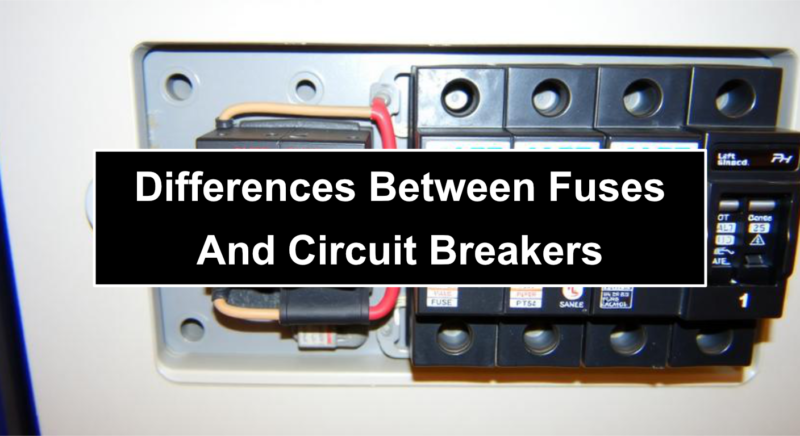
Both devices are housed within the consumer unit, where they monitor electrical current across various circuits in the home. When excessive current is detected - either from an overload or a short circuit - the protective device disconnects the supply. Choosing between traditional fuses and modern circuit breakers often depends on the age of the installation, compliance with current regulations, and the level of convenience and safety required. A clear understanding of how each system functions enables homeowners to make informed decisions regarding maintenance, upgrades, and overall electrical safety.
View this! View one of our bespoke Orangery extensions
• Both protect electrical circuits from overload and short circuit conditions.
• Prevent overheating, wiring damage, and potential fire risks.
• Installed within the consumer unit or fuse board.
• Essential for safe operation of lighting, sockets, and appliances.
• Differ significantly in reset capability and long-term practicality.
How Fuses Work
A fuse is a simple protective component containing a thin metal wire or strip designed to melt when excessive electrical current passes through it. This melting action breaks the circuit immediately, stopping the flow of electricity and preventing further damage. Once a fuse has blown, it must be physically replaced before power can be restored to that circuit.
Fuses are reliable when correctly rated and installed, but they require manual intervention each time they operate. Using the wrong fuse rating can create serious safety concerns, either by allowing too much current to pass through or by causing repeated nuisance failures. Older properties in parts of Cheshire and Manchester may still operate with traditional fuse boards, although modern safety standards increasingly favour circuit breaker systems for improved protection and convenience.
• Contains a metal filament that melts under excessive current.
• Interrupts the circuit permanently until replaced.
• Requires correct rating to ensure safe operation.
• Manual replacement is necessary after each fault.
• Common in older electrical installations.
How Circuit Breakers Work
Circuit breakers perform the same protective role as fuses but use a mechanical switching mechanism rather than a melting wire. When an overload or short circuit is detected, the breaker automatically “trips,” cutting off electrical supply to the affected circuit. Once the underlying issue is resolved, the breaker can simply be reset by switching it back on.
This reset function makes circuit breakers significantly more convenient, particularly in modern households where continuous access to electricity is essential. Many contemporary systems also integrate residual current devices (RCDs) or residual current circuit breakers (RCBOs), providing additional protection against electric shock. These enhanced safety features have made circuit breakers the standard choice in new consumer units across Knutsford and the wider Cheshire and Manchester region.
• Uses a mechanical switch to interrupt electrical flow.
• Can be reset without replacing components.
• Provides faster restoration of power.
• Often integrated with RCD or RCBO protection.
• Standard in modern electrical installations.
Key Practical Differences
The most noticeable practical difference between fuses and circuit breakers lies in reusability. A blown fuse must be replaced, whereas a tripped circuit breaker can be reset within seconds. This eliminates the need to keep spare fuses and reduces inconvenience during electrical faults.
Circuit breakers also provide more consistent performance over time, as they are factory-calibrated to trip at specific thresholds. Fuses, while effective, depend on correct manual replacement and may be incorrectly rated if handled improperly. For homeowners modernising extensions, kitchens, or lighting systems, upgrading to a breaker-based consumer unit often enhances both safety and practicality.
• Fuses are single-use; breakers are reusable.
• Breakers reduce downtime during faults.
• Factory calibration ensures consistent tripping levels.
• Fuses depend on correct manual installation.
• Modern upgrades typically favour circuit breaker systems.
View this! Electrical Advice 03 - When to Call an Electrician
Safety and Maintenance Considerations
Frequent fuse failures or repeated breaker tripping should never be ignored, as they often indicate overloaded circuits, faulty appliances, or underlying wiring issues. Simply replacing a fuse or resetting a breaker without investigating the cause can allow more serious problems to develop.
Upgrading an outdated fuse board to a modern consumer unit with circuit breakers and RCD protection can significantly enhance overall household safety. All electrical modifications should be carried out by a qualified electrician to ensure compliance with current regulations and to maintain insurance validity. Regular inspection and professional assessment help ensure that protective devices continue to operate correctly and efficiently.
• Investigate repeated interruptions promptly.
• Avoid repeatedly resetting without identifying the cause.
• Consider upgrading older fuse boards for improved safety.
• Ensure all work complies with current electrical regulations.
• Use certified professionals for installation and inspection.
Professional Guidance From Sunlight Windows & Conservatories
Sunlight Windows & Conservatories, based at Fryers Garden Centre in Knutsford and serving Cheshire and Manchester, understand that safe electrical systems are fundamental to any extension or renovation project. While our expertise lies in designing and constructing bespoke orangeries and conservatories, we regularly advise homeowners on ensuring that supporting electrical infrastructure meets modern safety standards.
Upgrading from traditional fuses to circuit breakers can improve convenience, reliability, and overall protection within the home. With professional electrical assessment and careful planning, homeowners can ensure their property remains compliant, efficient, and safeguarded against electrical hazards. Proper circuit protection not only supports everyday living but also protects valuable installations and long-term investments within the home.
• Expert advice ensures electrical systems meet modern safety expectations.
• Upgrades improve reliability and user convenience.
• Supports compliance with regulations and insurance requirements.
• Protects appliances, lighting, and extension features.
• Enhances long-term safety and peace of mind.
Disclaimer: Sunlight holds no responsibility for any work that you or anyone else carries out based upon the information contained within these help pages (i.e. prices and information contained may change at any time) - we are simply offering various suggestions to help ease your pain and lower your stress levels. For peace of mind, we always recommend using insured and trained personnel to carry out any work, to obtain an up-to-date quotation from at least three suppliers and to get as much information as possible from the company whom you choose to conduct business with.
Call in the Professionals!
01565 650 195
Why attempt to take on complicated work yourself? It could end up costing you more. Instead, make contact with our pro-maintenance team for a consultation to discuss your needs today. Understandably, for the work to be cost-effective, you must live within a 20 mile radius of Knutsford.
Visit our showroom:
Sunlight Windows & Conservatories
Fryers Garden Centre
Manchester Road
Knutsford
Cheshire
WA16 0SX
Leave a reply