
Doors Advice 07 - Why a Wooden Front Door Doesn’t Lock: Common Causes and Solutions
A wooden front door that fails to lock can be a frustrating and concerning issue for homeowners. Not only does it compromise your home’s security, but it can also lead to inconveniences and additional costs. Understanding the common reasons why a wooden front door may not lock properly can help you identify the issue and implement effective solutions. This article explores the primary causes of locking problems in wooden doors and provides practical advice for UK homeowners.
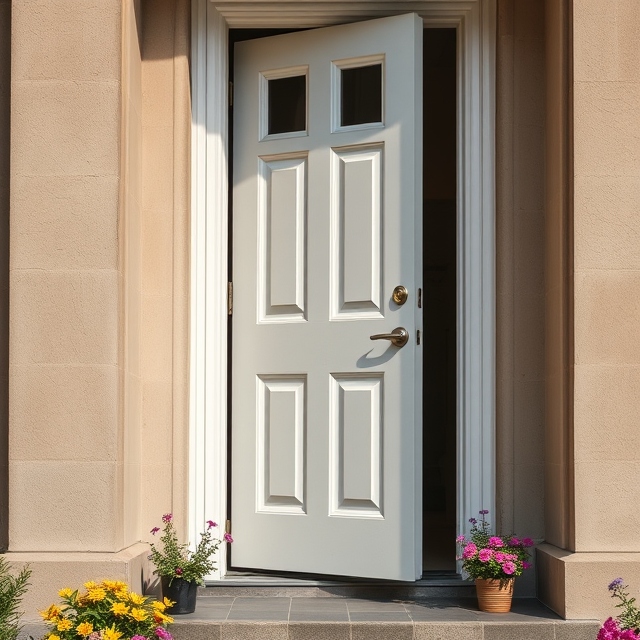
1. Misalignment of the Door
Misalignment is one of the most common reasons a wooden front door fails to lock. Over time, doors can shift due to factors such as temperature changes, humidity, or the settling of your home. This misalignment can prevent the lock from engaging correctly.
Signs of Misalignment:
- The door does not sit flush in the frame.
- The lock mechanism feels stiff or difficult to operate.
- You notice gaps between the door and the frame.
Solution:
- Adjust the Hinges: Inspect the hinges for any looseness. If the screws are loose, tighten them with a screwdriver. If the door remains misaligned, you may need to reposition the hinges slightly. This may involve removing the screws, adjusting the door’s position, and then reattaching the hinges.
- Reposition the Strike Plate: Check the strike plate (the metal plate on the frame that the latch goes into). Loosen the screws and adjust the strike plate’s position until it aligns correctly with the door latch. Tighten the screws once the strike plate is in the right position.
2. Worn or Damaged Lock Mechanism
Lock mechanisms can wear out over time due to regular use, exposure to the elements, or lack of maintenance. This is particularly common in wooden doors that may experience warping or swelling.
Signs of a Worn Lock:
- The key turns but does not engage the lock.
- The lock feels loose or wobbly when you turn the key.
- You have to apply excessive force to lock or unlock the door.
Solution:
- Lubricate the Lock: Apply a graphite-based lubricant or silicone spray to the lock mechanism. Turn the key several times to distribute the lubricant evenly. Avoid using oil-based products, as they can attract dirt and create more issues.
- Replace the Lock: If lubrication doesn’t resolve the problem, you may need to replace the lock mechanism. Remove the lock cylinder from the door and purchase a compatible replacement from a local hardware store.
3. Weather-Related Expansion and Contraction
Wooden doors are particularly susceptible to changes in temperature and humidity. They can expand in warmer, humid conditions and contract in colder, drier weather. This natural movement can affect how the door fits in the frame and how well the lock engages.
Signs of Weather-Related Issues:
- The door feels tight when you attempt to lock it, particularly in humid weather.
- The lock engages properly in colder weather but not in warmer conditions.
Solution:
- Adjust the Door Fit: If your door is swelling due to humidity, you may need to adjust the fit. This might involve sanding down the edges of the door that are sticking. Be careful to remove only a small amount of material at a time.
- Use Lubricant: Regularly applying silicone spray to the lock and hinges can also help combat issues related to expansion and contraction.
4. Faulty Key
Sometimes, the key used to lock the door may be the culprit. Keys can bend, chip, or wear down over time, which can prevent them from working correctly with the lock.
Signs of a Faulty Key:
- The key does not turn smoothly in the lock.
- The key appears damaged or worn.
- You need to jiggle or push the door to lock it successfully.
Solution:
- Inspect and Replace the Key: Examine the key for signs of damage. If the key looks bent or has worn teeth, it’s best to get a new one cut. Most locksmiths or hardware stores in the UK can easily replicate keys based on the original.
5. Obstructions or Debris in the Lock or Frame
Small obstructions, dirt, or debris can get lodged in the lock mechanism or around the door frame, preventing the lock from engaging properly.
Signs of Obstruction:
- The lock feels gritty or is hard to turn.
- The door latch doesn’t catch when you attempt to lock it.
- You can see debris or dirt around the lock or door frame.
Solution:
- Clean the Lock Mechanism: Use a soft brush or compressed air to clear away any debris around the lock. After cleaning, apply a lubricant to ensure smooth operation.
- Inspect the Door Frame: Check for any obstructions in the door frame or around the strike plate. Remove any visible dirt or debris that could be causing interference.
6. Damage to the Door or Frame
Physical damage to the door or the frame can prevent the lock from engaging properly. This could be due to impact, age, or general wear and tear.
Signs of Damage:
- Visible cracks or dents in the door or frame.
- The door does not sit evenly in the frame.
- Areas of rot or decay, particularly in wooden doors.
Solution:
- Repair Minor Damage: For small cracks or dents in wooden doors, use wood filler or a similar product to repair the damage. Sand it smooth and repaint or refinish as needed.
- Replace Severely Damaged Doors: If the damage is extensive or structural, such as a split door frame or severe rot, you may need to replace the affected parts or the entire door. Consult a professional if necessary.
7. Incorrect Installation
If a door is installed incorrectly, it may not lock properly from the outset. This is especially common in wooden doors, where precise fitting is required for locking mechanisms to function effectively.
Signs of Poor Installation:
- The door has had locking issues since it was installed.
- Visible gaps between the door and frame.
Solution:
- Consult a Professional: If you suspect incorrect installation, it’s best to contact the installer or a professional locksmith. They can assess the situation and make necessary adjustments or reinstall the door correctly.
- Reinstall the Door: In some cases, complete reinstallation may be necessary to ensure the door functions properly.
Conclusion
A wooden front door that doesn’t lock can result from various factors, including misalignment, worn locks, weather-related issues, and obstructions. By understanding the potential causes and implementing the suggested solutions, you can restore your door’s functionality and enhance your home’s security. Regular maintenance, including checking hinges, lubricating locks, and inspecting for damage, can prevent many common locking issues.
If the problem persists despite your efforts, don’t hesitate to consult a professional locksmith or door installer to ensure your home remains secure. Taking proactive steps to maintain your wooden front door is essential for protecting your property and ensuring peace of mind.
Disclaimer: Sunlight holds no responsibility for any work that you or anyone else carries out based upon the information contained within these help pages (i.e. prices and information contained may change at any time) - we are simply offering various suggestions to help ease your pain and lower your stress levels. For peace of mind, we always recommend using insured and trained personnel to carry out any work, to obtain an up-to-date quotation from at least three suppliers and to get as much information as possible from the company whom you choose to conduct business with.
Call in the Professionals!
01565 650 195
Why attempt to take on complicated work yourself? It could end up costing you more. Instead, make contact with our pro-maintenance team for a consultation to discuss your needs today. Understandably, for the work to be cost-effective, you must live within a 20 mile radius of Knutsford.
Visit our showroom:
Sunlight Windows & Conservatories
Fryers Garden Centre
Manchester Road
Knutsford
Cheshire
WA16 0SX
Leave a reply