
General DIY 08 - Painting Door Frames
Painting door frames is a transformative home improvement task that can dramatically enhance both the visual appeal and the practical durability of interior spaces, providing a polished, cohesive look that complements walls, doors, skirting boards, and any decorative features. Over time, door frames are prone to scuffs, scratches, chips, and discolouration caused by regular use, accidental knocks, cleaning activity, or environmental factors such as sunlight and humidity, particularly in busy homes with high foot traffic or in areas adjoining glazed extensions like conservatories and orangeries.
At Sunlight Windows & Conservatories, based at Fryers Garden Centre in Knutsford and regularly supporting homeowners throughout Cheshire and Manchester, we frequently highlight the importance of meticulous attention to smaller maintenance tasks as part of preserving overall property quality and ensuring long-lasting satisfaction with home improvements.
While our core expertise focuses on designing and installing high-quality orangeries and conservatories, we understand that interior details such as door frames significantly influence the perception of space, cohesion of interior design, and the protection of underlying materials from wear and tear.
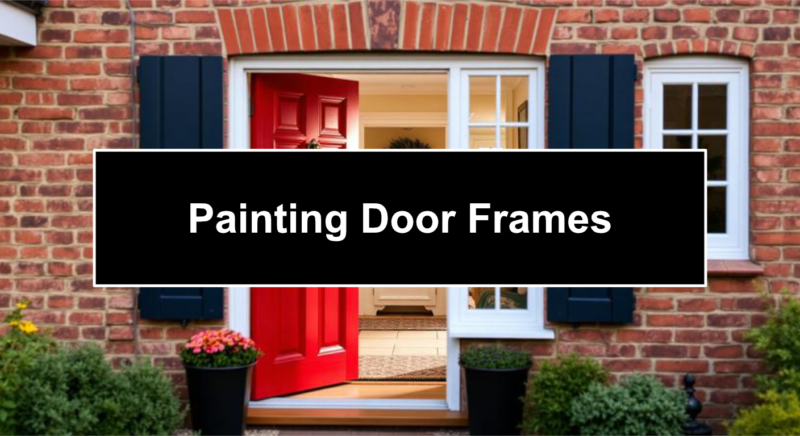
In properties across Cheshire and Manchester, a well-painted door frame not only uplifts the aesthetic of a room but also serves as a protective layer, sealing the underlying timber against moisture, dust, and minor impacts, thereby extending its lifespan and preserving the integrity of surrounding decorative finishes.
Undertaking the task with careful planning, thorough preparation, and precise application ensures that the frames maintain crisp, clean lines and uniform coverage, creating a professional, visually appealing finish that enhances the overall ambience of a home while safeguarding both function and style over the long term, contributing to a sense of pride and satisfaction in the property.
By approaching painting methodically, including careful preparation, precise application, and consideration of finish type, homeowners can achieve results comparable to professional decorators, ensuring that door frames remain visually striking, durable, and harmonious with the overall design of the home, whether part of a traditional interior, a contemporary scheme, or integrated with newly installed glazed extensions. Proper preparation and execution reduce the risk of uneven coverage, drips, or premature paint failure, ensuring that investment in high-quality materials is fully realised and that the finished frames continue to enhance both aesthetics and functionality for years to come.
View this! View one of our bespoke Orangery extensions
Preparing door frames for painting
Preparation is an absolutely critical stage in the painting process, as it directly impacts adhesion, finish quality, and long-term durability of the paint, and it is often the factor that distinguishes a professional-looking result from a rushed or amateur attempt. Thorough cleaning of all surfaces removes accumulated dust, grease, and grime that could prevent paint from adhering properly, while sanding the frames lightly creates a slightly roughened texture that encourages strong bonding and smooth application, particularly around corners, edges, and previously painted areas.
illing any imperfections, such as scratches, dents, or small holes, ensures a level surface and prevents visible defects from telegraphing through the new paint layer, creating a clean, seamless finish. Masking areas adjacent to the frame, such as walls, skirting boards, or doors, preserves crisp lines and prevents unsightly overlaps, while applying a primer where necessary, particularly over bare wood, repaired sections, or darker existing colours, improves coverage, extends the longevity of the paint, and allows the true colour to develop evenly and vibrantly.
By investing sufficient time and care in these preparatory steps, homeowners ensure that the painting process produces durable, professional-quality results that not only elevate the visual appeal of door frames but also protect them against future damage and maintain a harmonious finish with surrounding décor, all of which is particularly important in homes where attention to detail enhances the overall sense of refinement and cohesion.
Key preparation steps include:
• Thoroughly clean the frames to remove dust, grease, and surface grime, ensuring all residue is wiped away and the surface is fully dry before any further treatment.
• Sand the surface lightly with fine- or medium-grit sandpaper to promote adhesion and create a smooth texture, focusing on corners, edges, and areas with old paint or minor scratches.
• Fill dents, scratches, and holes using a suitable wood filler or putty, then sand smooth to create a seamless, level surface.
• Mask adjacent walls, doors, or skirting boards carefully with painter’s tape to ensure crisp, clean edges and protect surrounding surfaces from accidental splashes.
• Apply a primer where appropriate, particularly on bare timber, repaired areas, or darker existing colours, to improve paint adhesion, colour coverage, and long-term durability.
By adhering to these preparation steps, homeowners create a strong foundation for the painting process, ensuring that the final finish is smooth, uniform, and professional in appearance while protecting the underlying material from future wear and damage.
Painting techniques for a flawless finish
Applying paint to door frames requires patience, precision, and the correct tools to achieve an even, long-lasting finish that is both attractive and resilient. Selecting a high-quality paint suitable for timber or composite frames, typically satin or semi-gloss, ensures durability, ease of cleaning, and a visually appealing sheen that complements doors, walls, and decorative features. Using appropriate brushes for fine edges or small rollers for larger flat areas allows for consistent coverage without streaking or pooling, while applying paint in long, even strokes along the grain of the wood minimises brush marks and creates a polished, professional appearance.
Allowing each coat to dry fully before applying subsequent layers prevents smudging and uneven textures, while lightly sanding between coats eliminates minor imperfections and provides a subtle key for the next layer, enhancing smoothness, durability, and the overall quality of the finish. These careful techniques ensure that door frames remain both visually pristine and functionally resilient, reinforcing the quality and attention to detail in the home, and contributing to a sense of pride and satisfaction for homeowners across Cheshire and Manchester who value the intersection of aesthetics and practical performance in interior spaces.
Recommended painting techniques include:
• Select a high-quality satin or semi-gloss paint suitable for timber or composite frames to provide a durable, cleanable finish.
• Use appropriate brushes or small rollers to apply paint evenly, focusing on edges, corners, and flat surfaces to achieve a consistent texture.
• Apply paint in long, even strokes, following the grain where possible, to minimise brush marks and ensure a professional appearance.
• Allow each coat to dry completely before applying additional layers, following manufacturer guidelines to prevent smudging or uneven coverage.
• Sand lightly between coats to remove imperfections and provide a smooth, polished surface that enhances adhesion and finish quality.
When these techniques are applied systematically, the resulting finish enhances the interior of the home by delivering a clean, attractive, and durable appearance, while protecting the frames from everyday use, moisture exposure, and minor impacts.
Maintenance and ongoing care
After painting, maintaining door frames ensures longevity, prevents deterioration, and keeps the finish looking fresh and professional. Regular cleaning removes dust, fingerprints, and general grime, while minor touch-ups prevent small scratches or scuffs from becoming more significant issues. Avoiding excessive moisture exposure, particularly in kitchens, bathrooms, or conservatories, protects against swelling, warping, or peeling of the paint, and ensuring that doors and fittings operate smoothly reduces friction that could damage the newly applied surface.
Periodic inspection allows homeowners to identify areas that may require maintenance, while careful handling and ongoing attention to environmental conditions contribute to the overall durability and aesthetic of the painted frames, ensuring that interior spaces across Cheshire and Manchester remain visually consistent, elegant, and resilient over time.
Maintenance tips include:
• Wipe frames regularly with a damp cloth or mild cleaner to remove surface dust, fingerprints, and grime without damaging the paint.
• Touch up minor scratches or scuffs promptly to maintain a uniform finish and prevent further deterioration.
• Protect frames from excessive moisture to avoid swelling, warping, or paint peeling, particularly in kitchens, bathrooms, or conservatory entrances.
• Inspect hinges, locks, and edges periodically to ensure smooth operation and prevent contact that could damage the painted surface.
• Ensure high-traffic areas are monitored for signs of wear and address issues promptly to maintain an elegant, long-lasting finish.
By implementing these practices consistently, homeowners can ensure that their painted door frames remain a refined, durable, and visually cohesive feature within their property, enhancing both interior design and functional longevity.
Professional advice from Sunlight Windows & Conservatories
Sunlight Windows & Conservatories, operating from Fryers Garden Centre in Knutsford and regularly supporting homeowners across Cheshire and Manchester, understand that attention to detail in interior finishes, such as painting door frames, complements the overall quality, cohesion, and longevity of a home. While our primary expertise is in designing and installing premium orangeries and conservatories, we recognise that smaller maintenance and improvement tasks are integral to preserving both aesthetic appeal and structural integrity.
Proper preparation, precise application, and ongoing care not only elevate the appearance of frames but also protect timber or composite materials from daily wear, moisture, and environmental factors. By approaching each stage with care and attention, homeowners can achieve a professional, durable, and visually striking finish that enhances the harmony of the home, complements new glazing installations, and provides long-term satisfaction, ensuring that every detail contributes to a well-maintained, elegant, and functional living environment.
View this! General DIY 09 - How to Sharpen Garden Tools
Disclaimer: Sunlight holds no responsibility for any work that you or anyone else carries out based upon the information contained within these help pages (i.e. prices and information contained may change at any time) - we are simply offering various suggestions to help ease your pain and lower your stress levels. For peace of mind, we always recommend using insured and trained personnel to carry out any work, to obtain an up-to-date quotation from at least three suppliers and to get as much information as possible from the company whom you choose to conduct business with.
Call in the Professionals!
01565 650 195
Why attempt to take on complicated work yourself? It could end up costing you more. Instead, make contact with our pro-maintenance team for a consultation to discuss your needs today. Understandably, for the work to be cost-effective, you must live within a 20 mile radius of Knutsford.
Visit our showroom:
Sunlight Windows & Conservatories
Fryers Garden Centre
Manchester Road
Knutsford
Cheshire
WA16 0SX